
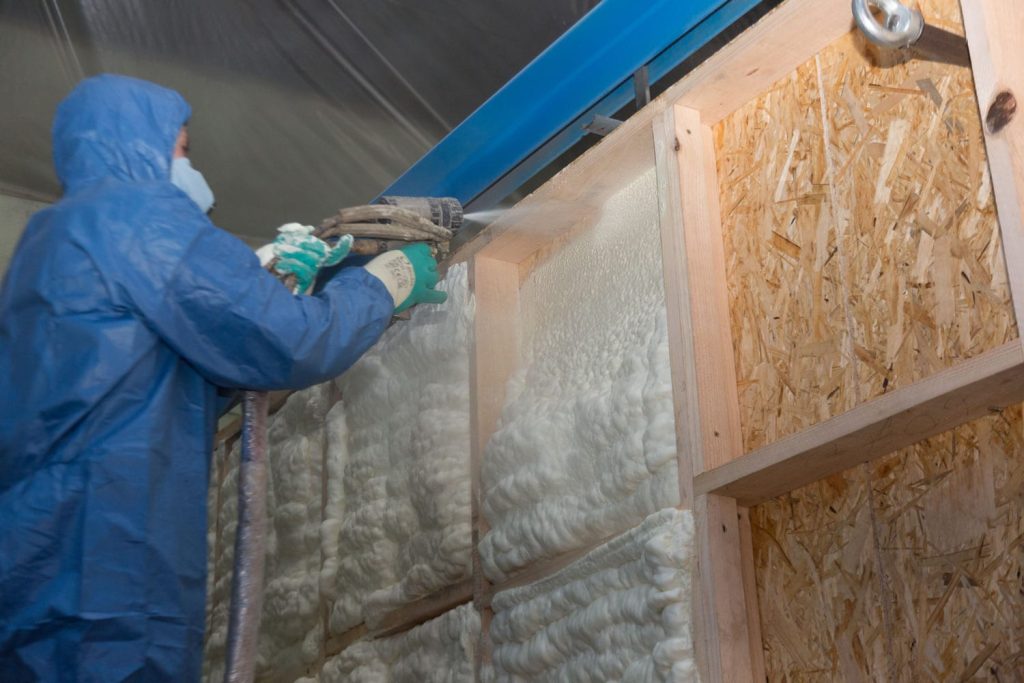
You’re about to spend real money on spray foam, and one question keeps nagging you. Will it still be doing its job in 20 years? 40? It’s a fair thing to ask when the foam is going into an attic that bakes from May to September. So how long does spray foam insulation last? Short version: decades, when it’s installed right and kept dry. This guide explains what “decades” really means, what cuts it short, what Texas weather does to it, and how to tell if yours is in trouble.
How Long Does Spray Foam Insulation Last?
Properly installed spray foam commonly lasts several decades, and many installers expect it to last as long as the building when it stays dry and out of direct sunlight. Conservative estimates run 20 to 30 years or more. Claims of 80 to 100 years are just guesses, not results that have been proven.
Here’s why the numbers online disagree so much. Some contractors say 20 to 30 years, some say 50, and plenty say 80 to 100. The honest reason is that modern spray polyurethane foam hasn’t been in homes long enough for anyone to watch it last 80 years. What we do know is encouraging. Fine Homebuilding points out that spray polyurethane foam has a 30-plus-year track record on commercial low-slope roofs, one of the harshest settings in construction, and that studies there found it ages well. Cured foam is chemically stable, so it doesn’t rot, settle or sag the way some other insulation does.
So “decades” is a safe promise. A specific number of years isn’t. If someone guarantees you 100 years, they’re selling, not measuring.
One more thing: lifespan and warranty are different. A warranty covers specific problems for a set time. Request it in writing and check what it includes.
Does Open-Cell or Closed-Cell Spray Foam Last Longer?
Neither type has a proven shorter life when it’s installed correctly and kept dry. The real difference is how each handles moisture. Closed-cell resists water, so it’s more forgiving in damp spots. Open-cell can soak up liquid water, so it depends on staying dry.
That means the right question isn’t “which lasts longer?” It’s “which fits the spot?” This is what happens on a Texas property.
| Where it’s used | Typical foam | Main threat | Outlook |
| Attic roof deck | Open-cell or closed-cell | Roof leaks | Decades, if the roof stays sound |
| Walls | Either | Plumbing leaks | Decades, since the foam is protected inside the wall |
| Crawl space | Closed-cell | Standing water | Decades, if water doesn’t pool against it |
| Metal building | Closed-cell | Physical damage, gaps | Decades with a good install |
| Exposed foam (no cover) | Either | Sunlight | Needs a coating or cover |
What Makes Spray Foam Last Longer, or Fail Early?
Installation quality, moisture and sunlight matter most. Foam sprayed at the wrong temperature, mixed off-ratio or applied over a wet surface can fail early. After that, water is the main enemy, then direct sun and physical damage.
- Installation. Spray foam is mixed on the spot from two liquids. The ratio, the temperature and how thick each pass goes all matter. A bad job can show up as soft spots, poor adhesion or shrinking. That’s the main reason we’re wary of DIY kits. Our post on do-it-yourself spray-in foam insulation shows what you’re signing up for.
- Dampness. If a roof leaks or a pipe keeps dripping and the foam stays wet, particularly open-cell foam, it won’t last as long.
- Sunlight. Cured foam breaks down in direct UV. In an attic or wall, it’s covered, so this rarely matters. Exposed foam needs a protective coating or cover.
- Damage from other trades. HVAC, electrical and plumbing crews sometimes cut into foam. Those holes should be sealed afterward.
- The wrong foam in the wrong spot. Open-cell in a wet crawl space is asking for trouble.
What Does Texas Weather Do to Spray Foam?
Texas is hard on buildings, but cured foam handles most of it fine. A few Texas-specific points are worth knowing.
Heat. Attics become extremely hot, and the foam is placed directly against the roof deck. Foam is made for that setting, but check the manufacturer’s data sheet if you want the temperature limits for your product.
Humidity. Sticky air is why closed-cell is often the pick for crawl spaces and metal buildings. Moist air meets cool surfaces there, and closed-cell blocks it.
Storms and hail. Hail doesn’t hurt the foam itself. It hurts your roof, and a leaking roof can soak foam under it. Get leaks fixed fast, and read our post on spray foam and roof shingle warranties before a roof replacement.
Termites and pests. Foam isn’t food, but termites can tunnel through it. Good installers leave an inspection gap near the foundation so a pest inspector can see what’s going on.
Does Spray Foam Shrink, Sag or Lose R-Value?
Properly installed spray foam shouldn’t noticeably shrink or sag, and it doesn’t settle like loose-fill insulation. If foam pulls away from the framing, that usually points to an installation problem, not normal aging. Some closed-cell products lose a small amount of R-value early on, and manufacturers publish aged values to account for it.
- Does it shrink? Not in a good install. Shrinkage usually traces back to off-ratio mixing, bad temperatures or too-thick passes.
- Does it break down? Cured polyurethane is stable. Moisture, sunlight and physical damage are what break it down.
- Does it settle? No. It holds its shape and its seal, which loose fiberglass and cellulose can’t always do.
- Does R-value drop? Open-cell stays steady. Some closed-cell foams lose a little early, then level off. Ask your installer for the product’s long-term R-value.
- Do rodents eat it? They don’t eat it, but they can chew or burrow into exposed foam.
How Does Spray Foam’s Lifespan Compare With Fiberglass and Blown-In?
Fiberglass and blown-in can last for decades too, but they’re more likely to lose performance along the way. Batts can compress or get wet, and blown-in can settle. Spray foam holds its shape and seals air, so it tends to need less topping up.
| Insulation | Holds its shape | Handles moisture | Long-term concern |
| Fiberglass batts | Can sag or compress | Weak when wet | Gaps and compression cut performance |
| Blown-in | Can settle | Weak when wet | Loses depth over time |
| Open-cell spray foam | Yes | Absorbs water | Needs dry conditions |
| Closed-cell spray foam | Yes | Resists water | Higher upfront cost |
Signs Your Spray Foam Insulation Has a Problem
Most spray foam never gives you trouble. If yours does, it usually shows up one of these ways:
- Foam detaching from the rafters, studs, or roof deck
- Crumbly, powdery or soft foam
- Wet, stained or musty-smelling spots, often under a roof leak
- Tunnels or chew marks from pests
- Cracks at seams or around where other trades cut in
- Hot or cold spots, or rising bills with no HVAC explanation. Check your HVAC system first, since it’s the likelier cause
Yellowing on the surface of exposed foam is usually cosmetic. If you spot any of the real warning signs, call a pro before tearing anything out. A local repair costs far less than starting over.
How to Make Spray Foam Last Longer: A Texas Checklist
- Fix roof leaks fast, especially after hail or a big storm.
- Peek in the attic once a year, ideally in spring before the heat. Look for stains, damp spots and pests.
- Keep exposed foam covered or coated. Sunlight is its biggest outdoor enemy.
- Seal holes whenever an HVAC, electrical or plumbing crew cuts into the foam.
- Keep your paperwork: the invoice, the product data sheet and your warranty.
- Plan remodels carefully. Before contractors start cutting, let them know the walls or roof deck contain foam.
Do You Ever Need to Replace Spray Foam?
Rarely. Spray foam usually only needs repair or replacement after water damage, a poor installation, fire or physical damage. Most problems are local, so a section can often be fixed without tearing out the whole job.
If it’s unclear whether this is what you’re seeing, our article on signs that you need professional insulation removal can help you figure it out. Cured foam is slow, hard work to remove, which is one more reason to get the job done right the first time.
Is Spray Foam Worth It Over the Long Run?
It could be, provided it continues to do its job for many decades. The main reason spray foam can pay off over time is that it seals air leaks and holds its shape, so it doesn’t need much topping up. Savings still depend on your home, your power rate and what you had before. The U.S. Department of Energy explains how R-value and air sealing work on its Energy Saver insulation page. If you want to learn what spray foam work includes, take a look at spray foam insulation services.
How to Pick an Installer Who’ll Protect Your Foam
How long your foam lasts starts with who installs it. Before you sign, ask:
- Which foam product are you using, and can I see the data sheet?
- What thickness will you spray in each area?
- How do you handle moisture, ventilation and any thermal or ignition barrier code requires?
- What is included in the warranty and how long does it last? Can I get it in writing?
- Are you licensed and insured, if my area requires it?
A good installer answers plainly and doesn’t rush you.
Frequently Asked Questions
What is the lifespan of spray foam insulation in an attic?
Several decades is a fair expectation when the roof stays leak-free and the foam is installed correctly. Attic foam is covered by the roof deck, so sunlight isn’t a concern.
How long does closed-cell spray foam last?
Closed-cell can last decades. It resists water, so it’s often the better pick in damp spots like crawl spaces and metal buildings.
How long does open-cell spray foam last?
Open-cell can also last decades in dry conditions. It can soak up liquid water, so a leak-free roof and walls matter more.
Does spray foam insulation last forever?
No material does. Spray foam can last for decades, but moisture, sunlight and damage can shorten its life, and no one has 80-plus years of real-world proof.
Does spray foam lose R-value over time?
Open-cell stays steady. Some closed-cell products lose a small amount early on, then level off. Ask for the manufacturer’s long-term R-value.
Can spray foam get wet?
It can, and that’s where trouble starts. Open-cell absorbs liquid water, and closed-cell resists it better. Either way, fix the leak first, then have a pro check the foam.
Does spray foam last longer than fiberglass?
Often, yes in practice, because it doesn’t sag, compress or settle, and it seals air. It also costs more up front.
How long does spray foam last in Texas heat?
Cured foam is built for attic conditions, and heat alone isn’t what shortens its life. Moisture from roof leaks matters more, so keep the roof in good shape.
Wondering if your foam is holding up, or planning new foam? Platinum Spray Foam Insulation can take a look and give you a written quote. We serve homeowners and property owners across Texas, including Ennis, Waxahachie, Kaufman, Rockwall, Athens and Gun Barrel City. Contact us or call (214) 240-8322.