Platinum Spray Foam Insulation

Open Cell Insulation Services in Waxahachie, TX
Quieter rooms, steadier temperatures and fewer drafts. Platinum Spray Foam Insulation installs open-cell spray foam in Waxahachie homes, shops and new builds.
Why Choose Open Cell Insulation?
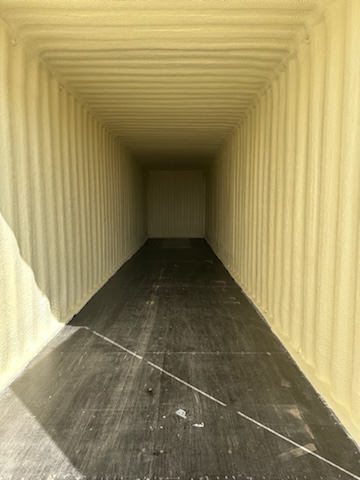
Open-cell spray foam is the soft, lightweight kind of spray foam. It goes on as a liquid, swells to fill gaps and cracks, then cures into a spongy layer that stops air from moving through your walls and attic. For many Waxahachie attics and interior walls, it’s a practical pick: it seals well, takes the edge off noise, and costs less than closed-cell foam.
Platinum Spray Foam Insulation installs it for homes, shops and new builds around Ellis County. We’ll tell you straight whether open-cell is right for your building or whether something else fits better.
Get Free Quote
What Is Open-Cell Spray Foam, and How Does It Work?
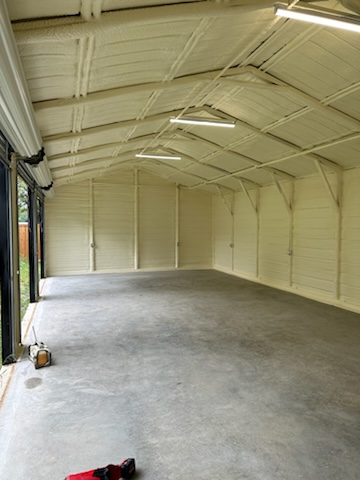
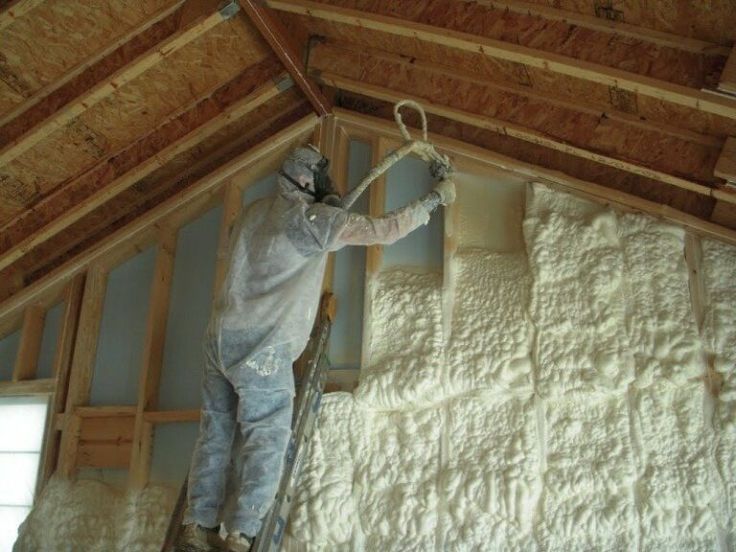
Open-cell foam is a polyurethane foam whose tiny cells are left open, which is why it feels light and soft. Installers spray it onto attic roof decks, into wall cavities and across ceilings. As it expands, it seals around framing, wiring and pipes, the spots where most air leaks hide. It runs about R-3.5 per inch, so 3.5 inches in a wall lands near R-12 to R-13, and 5.5 inches under a roof deck is common.
Two things are worth knowing. To start with, open-cell foam blocks air but does not block vapor, so moisture vapor is able to move through it. That’s fine in many attics and interior walls, and it’s why it’s usually not the best pick for crawl spaces or damp areas. Second, it soaks up sound well, which makes it popular for bedrooms, home offices and rooms that share a wall with the garage.
Residential Open Cell Insulation Services
Open-cell foam works best in the parts of a Waxahachie house where air leaks and heat cause the most trouble.
- Attics and rooflines. Foam on the underside of the roof deck makes the attic part of the conditioned space, so your ducts and air handler aren’t sitting in an oven. See our attic insulation in Waxahachie page.
- Walls in new builds and remodels. With the studs exposed, foam seals every seam. Learn more about wall insulation in Waxahachie.
- Ceilings and bonus rooms. Rooms over the garage often run hotter or colder than the rest of the house. Foam helps even them out.
- Older and historic homes. Waxahachie has plenty of older houses near downtown, and many have drafty attics and walls. If the framing is exposed during a remodel, foam can seal what batts missed. Finished walls usually can’t be foamed without opening them up. Our post on adding foam to existing walls explains the options.
The roof needs to be in good condition before foam is applied under a roof deck. Leaks come first, and some shingle makers have rules about foam, so read our post on spray foam and shingle warranties.
Ready for a Quieter, More Comfortable Home?
Commercial Open Cell Insulation Solutions
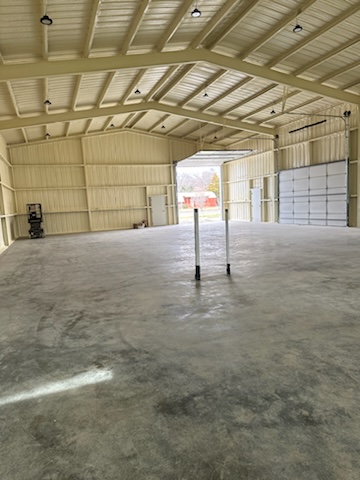
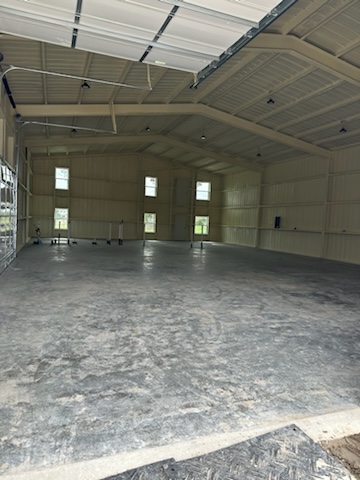
Open-cell foam isn’t just for houses. Offices, shops, church buildings and finished interiors of larger buildings can all benefit where drafts and noise are the problem. It helps keep temperatures steadier, which can ease the load on your HVAC system.
For metal buildings, barns and shops with condensation problems, closed-cell is often the better fit because it blocks moisture. Our guide on how to insulate a metal building lays out the options. We’ll look at how your building is built and used before recommending a foam type.

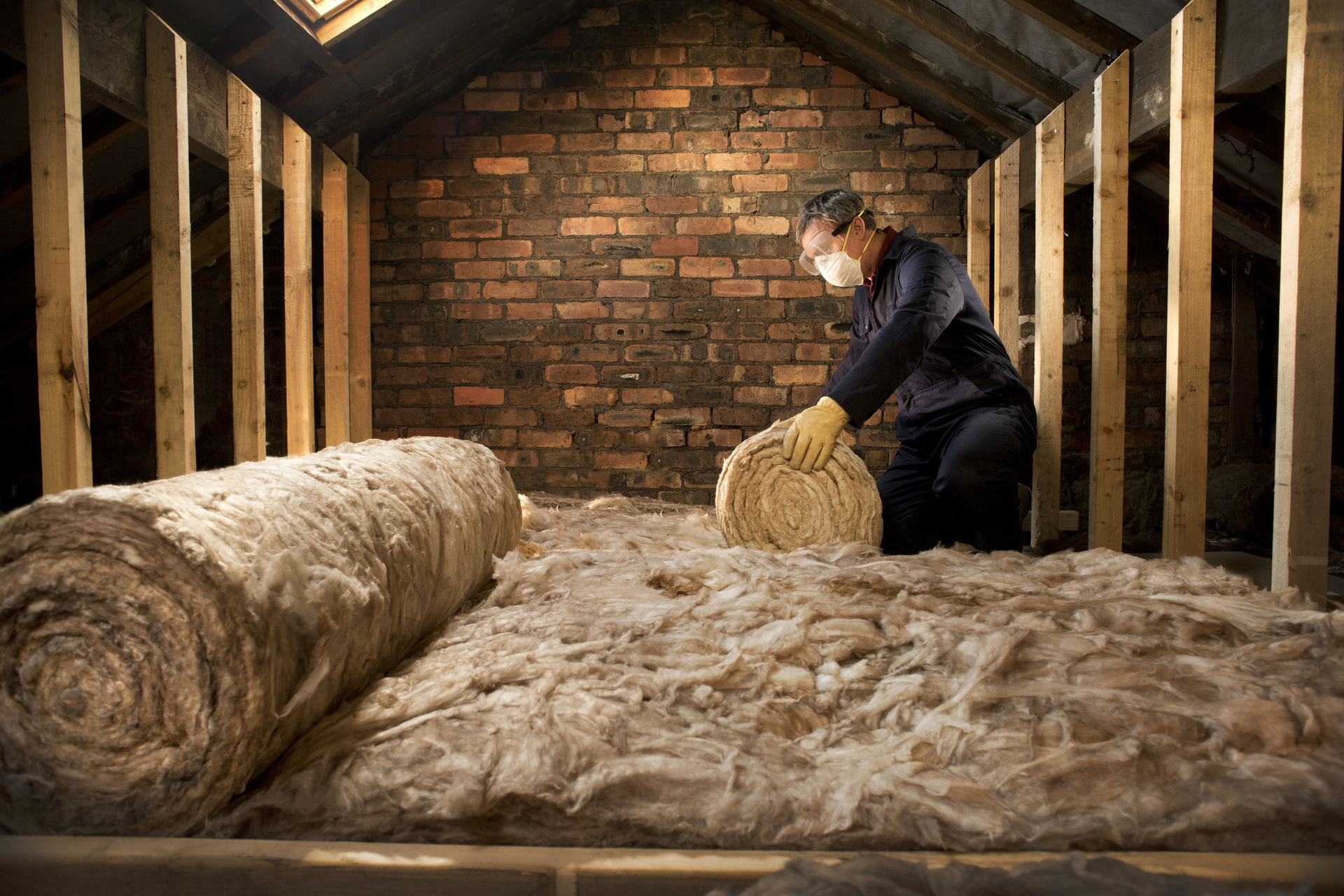
How Our Open-Cell Insulation Process Works
- A step-by-step guide: We check the attic, walls, or ceiling, ask what is troubling you, and first look for leaks or moisture.
- Plan and quote: You get a written quote that lists the foam type, thickness and areas, so you can compare it with anyone else’s.
- Prep: We cover floors, windows and anything we aren’t spraying.
- Spraying: Our crew applies the foam at the thickness in your quote.
- Cleanup and final look: We clean up and walk it with you, and we explain when you can go back into space. Living areas usually need a thermal barrier, such as drywall, over the foam, depending on code.
Foam needs little care once it cures. Keep your roof and plumbing leak-free and you’re set. To see how long it holds up, read how long foam insulation lasts.
What Affects the Price of Open-Cell Insulation in Waxahachie?
Installers price foam by the board foot: one square foot, one inch thick. So 1,000 square feet of wall at 3.5 inches is 3,500 board feet. The final number depends on:
- How thick the foam needs to be for your R-value goal
- The total square footage
- How easy the space is to reach
- Whether old insulation has to come out first
- The shape of the roof, if it’s an attic job
We give a written quote after we see your building, so you know what you’re paying for. For the bigger picture on benefits, see the benefits of spray foam insulation.
Get Open Cell Insulation in Waxahachie, TX: Start With a Free Quote
Considering open cell insulation for your Waxahachie home or business? The experienced spray foam contractors at Platinum Spray Foam Insulation will examine your attic, walls or ceiling and advise whether open-cell spray foam is right for your project or if a different product may be a better fit. We’ll provide you with a detailed quote that specifies the type of foam, its thickness and the areas that will be covered.
Whether you’re experiencing heat issues upstairs, working on a remodel and need to open up walls, or your shop requires soundproofing and insulation to reduce drafts and maintain temperatures, we’ll ensure your home or business is properly insulated to reduce energy costs and improve the performance of your heating and cooling systems.
Experienced Professionals
Meet our dedicated team at Platinum Spray Foam Insulation. With expertise and care, we ensure your insulation demands are met with precision, creating comfortable, energy-efficient spaces.